Support product design and assembly services, supply solutions for electronic controller, new energy, medical and 3C digital products.


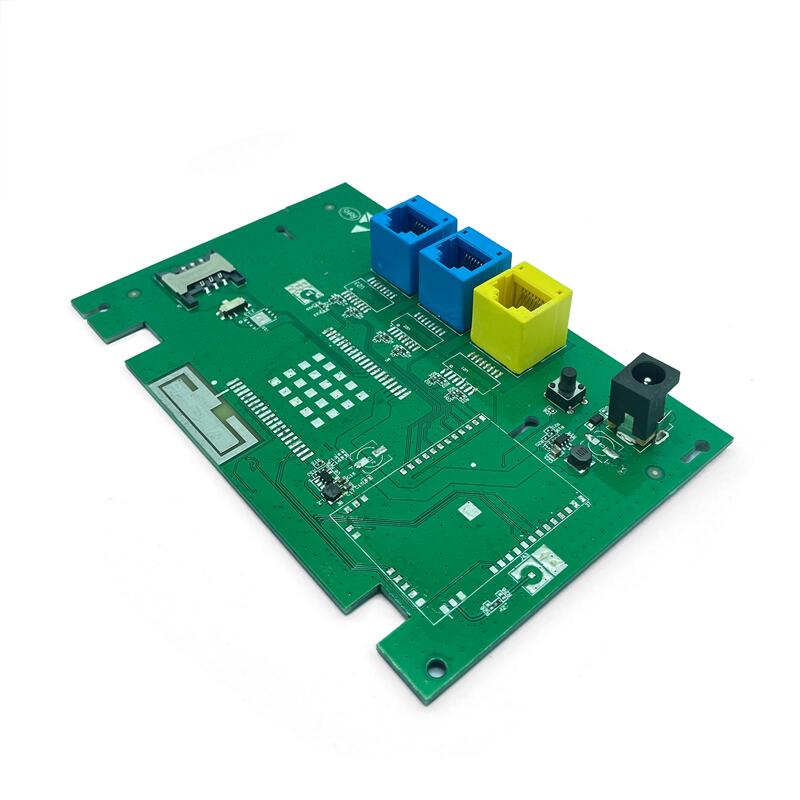
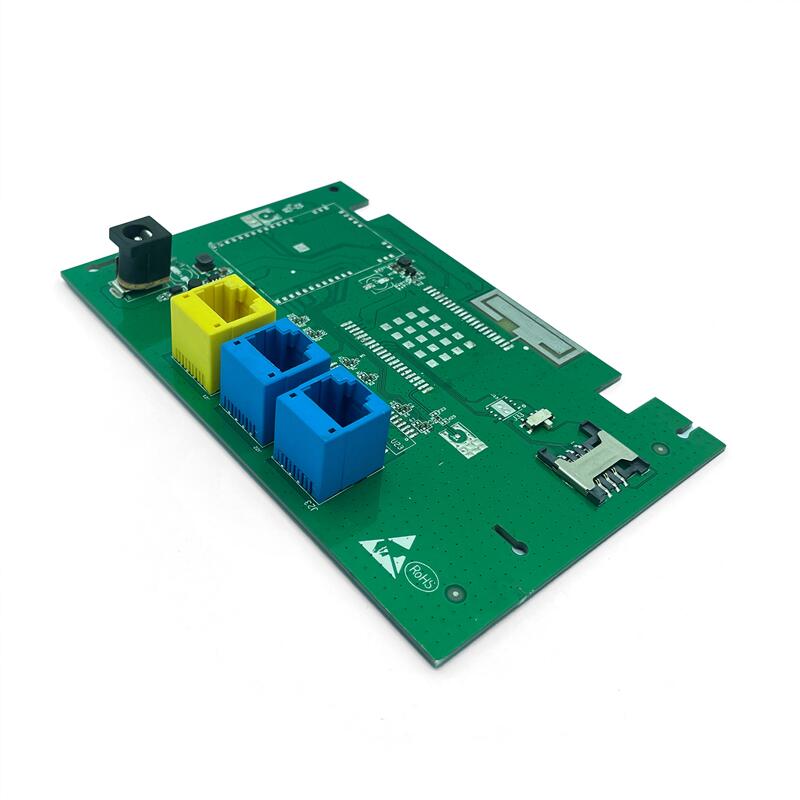
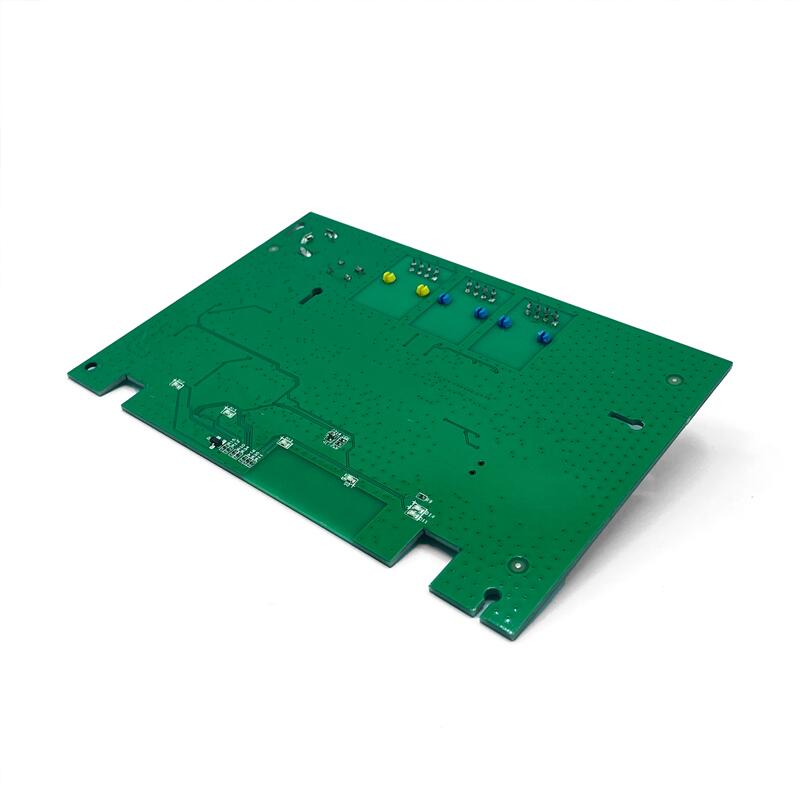
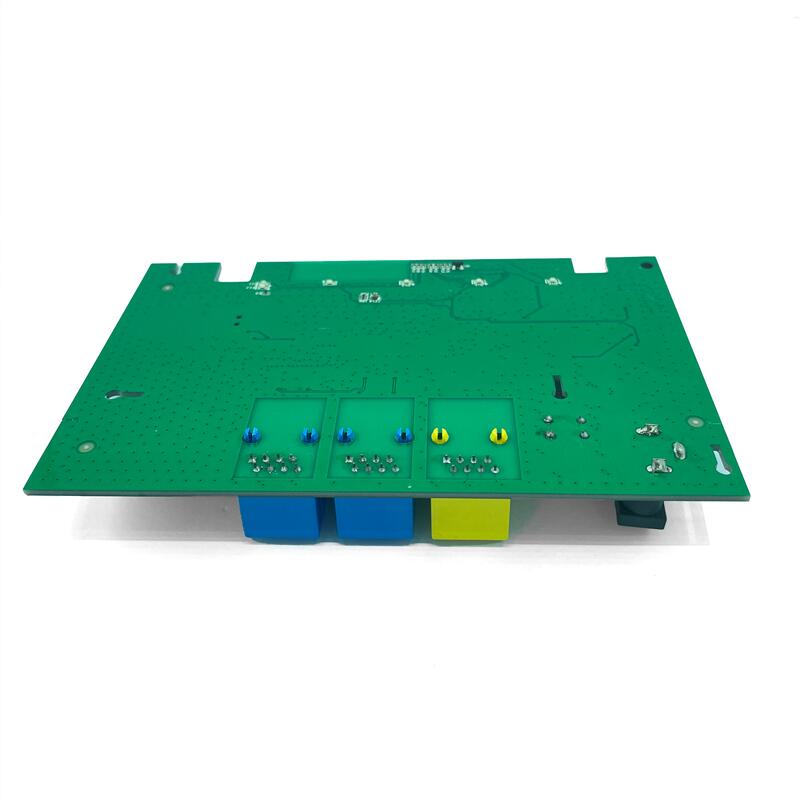
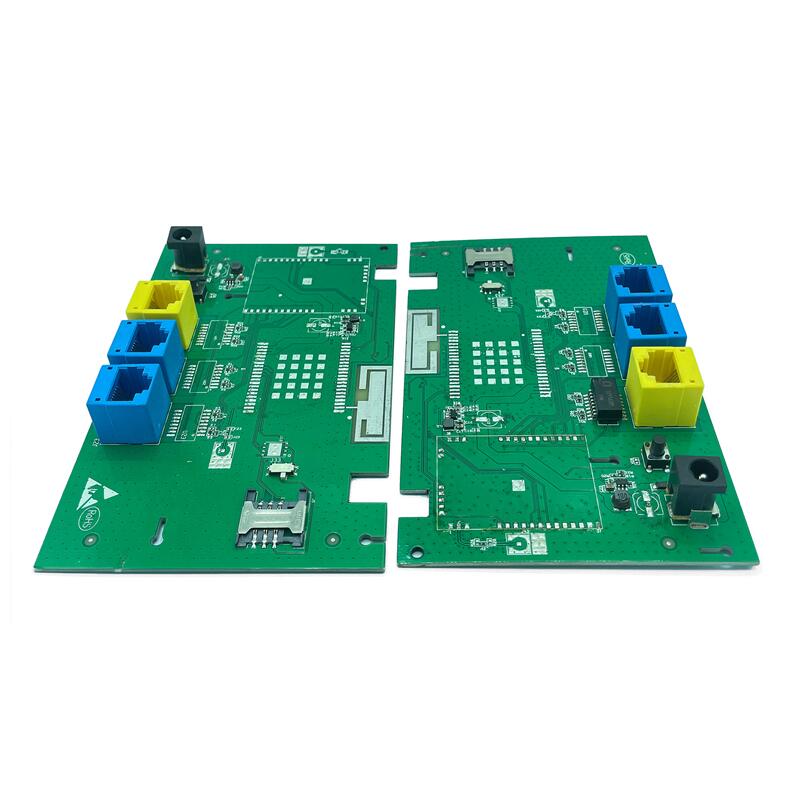
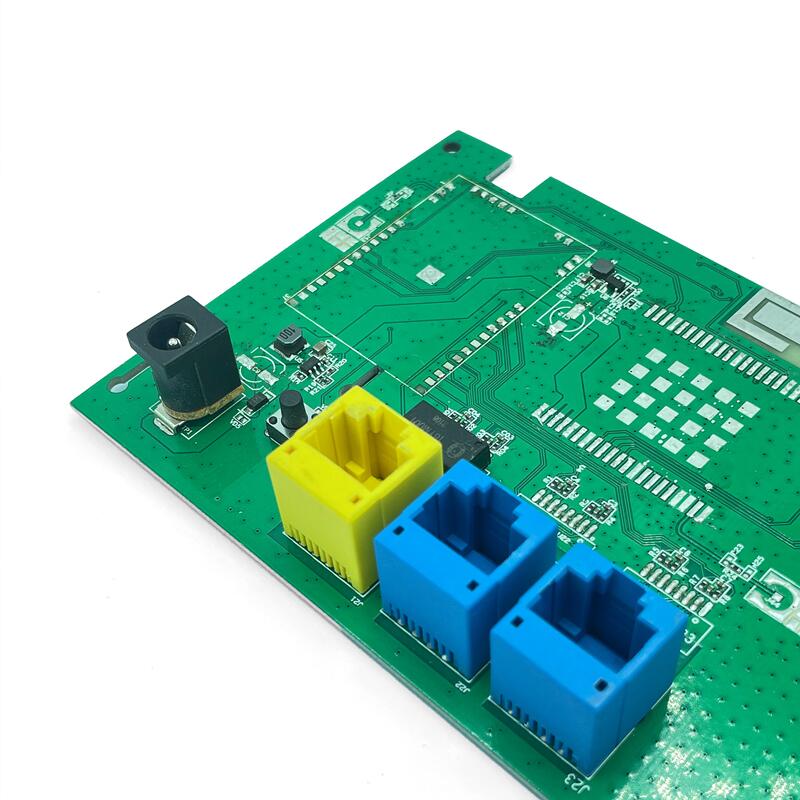

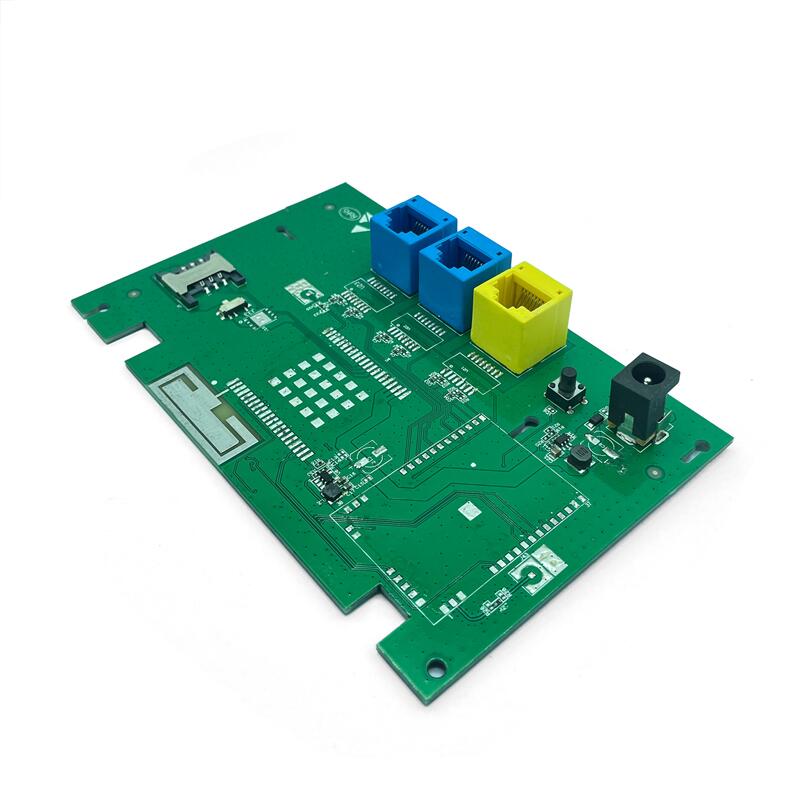
The Printed Circuit Board Assembly (PCBA) of a home wireless router is the core component of a wireless router, and its production and technical characteristics are as follows:
I. Core Definition and Function
i. Definition
PCBA is an assembly of printed circuit boards (PCBs) and electronic components. The PCBA of home wireless routers integrates functions such as 3G routing, wireless network storage, and mobile power, and needs to be processed before use.
ii. Features
Support multi band wireless networks (such as 2.4GHz/5GHz);
Equipped with intelligent management functions such as QoS and parental control;
Some models support USB interface for extended storage.
II. Technical parameters and performance
i. key parameters
Power: commonly around 300W, supporting high-power fast charging;
Temperature range: Operating temperature -40 ℃ to+70 ℃, with a maximum of+100 ℃ for the chassis;
Current range: 0~60A, meeting the requirements of high-power equipment.
ii. Thermal design
Adopting a motor fan cooling scheme to ensure long-term stable operation.
III. Production process and standards
i. Production process
Including steps such as PCB blank board production, component mounting (SMT), and plug-in soldering, some companies adopt irregular PCBA board design to enhance installation flexibility.
ii. Quality standard
Adhere to the IATF16949-2016 international quality management standards to ensure reliability and safety.
IV. Application scenarios
Mainly used for home network coverage, supporting simultaneous connection of multiple devices, and some models can be expanded for storage or external power supply.
V. Purchase suggestions
Pay attention to heat dissipation design (such as motor fans) to ensure stability;
Select different power and functional modules according to requirements (such as 300W, USB expansion).
Prev:No more!